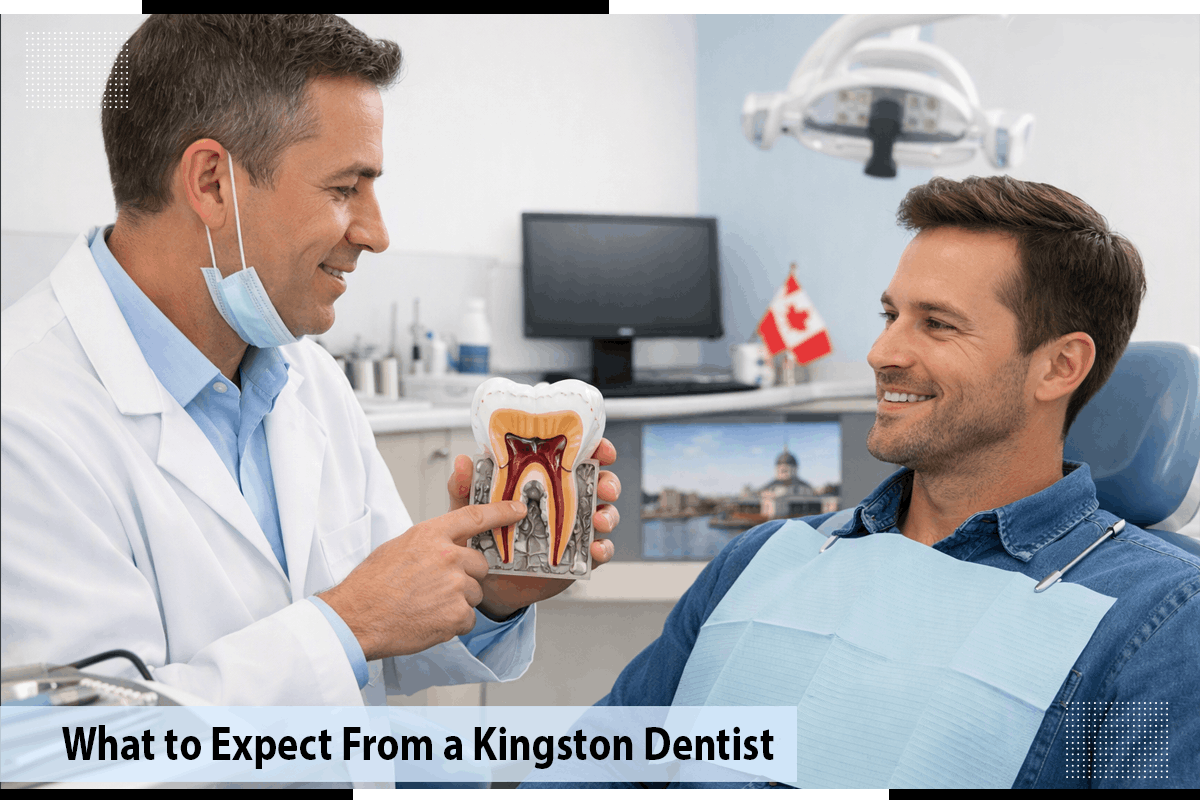
When a tooth becomes painful or sensitive, many people worry that they may need a root canal. While the thought of root canal treatment Kingston patients may need can sound intimidating, modern dental care is designed to make treatment as comfortable and predictable as possible.
At Cataraqui Family Dental,understanding what happens during root canal treatment can help patients feel more prepared. A qualified Kingston dentist can assess your symptoms,explain your treatment options, and determine whether root canal therapy is appropriate for your tooth.
What Is Root Canal Treatment?
Root canal treatment is a dental procedure used to treat the inside of a tooth when the pulp the soft tissue containing nerves and blood vessels has become inflamed or infected.
This can happen because of deep tooth decay, a crack or fracture, repeated dental procedures, or an injury. Without appropriate treatment, an infected or severely inflamed tooth may continue to cause discomfort and can potentially lead to complications.
The goal of root canal treatment is to remove the affected tissue, clean and disinfect the inside of the tooth, and seal it to help protect it from further infection.
Signs You May Need a Root Canal
Not every toothache requires root canal treatment. However, certain symptoms may indicate that the tooth needs professional assessment.
These can include:
Some dental infections may cause few noticeable symptoms, which is why a dental examination is important when there are concerns about a particular tooth.
What to Expect During Root Canal Treatment in Kingston
If your Kingston dentist determines that root canal treatment is appropriate, the first step is usually a detailed examination. Depending on your symptoms and clinical findings,dental X-rays or other diagnostic assessments may be used to understand the condition of the tooth.
Before treatment begins, local anesthetic is typically used to numb the area. Your dentist will then access the inside of the tooth and carefully remove the inflamed or infected pulp.
The root canals are cleaned and shaped so that the affected tissue and bacteria can be removed as thoroughly as possible. The canals are then filled and sealed.
Depending on the individual tooth and the treatment plan, the tooth may need a temporary restoration followed by a permanent filling or dental crown. Your dentist will explain what is appropriate for your specific situation.
Does Root Canal Treatment Hurt?
One of the most common concerns about root canal therapy is pain. With modern techniques and appropriate local anesthetic, the procedure itself is generally intended to be comfortable.
It is possible to experience some tenderness or sensitivity after treatment, particularly when biting. Your dental team can provide aftercare instructions and discuss appropriate pain-management options based on your individual circumstances.
If significant pain, swelling, or other unexpected symptoms develop after treatment, contact your dental office for advice.
Caring for Your Tooth After Treatment
Following your dentist's instructions is important after root canal treatment. If a temporary restoration has been placed, you may be advised to avoid chewing hard or sticky foods on that tooth until the permanent restoration is completed.
Good oral hygiene remains important.Continue brushing and cleaning between your teeth as recommended by your dental professional.
A root-treated tooth can still require regular dental care. Routine examinations allow your dentist to monitor the tooth and surrounding tissues and identify other dental concerns early.
When Should You See a Kingston Dentist?
If you have persistent tooth pain,swelling, or sensitivity, it is best not to ignore the symptoms. Early assessment may help identify the cause and determine the most appropriate treatment.
If you experience significant facial swelling, difficulty breathing or swallowing, uncontrolled bleeding, or rapidly worsening symptoms, seek urgent dental or medical attention.

.png)